

 mobile devices
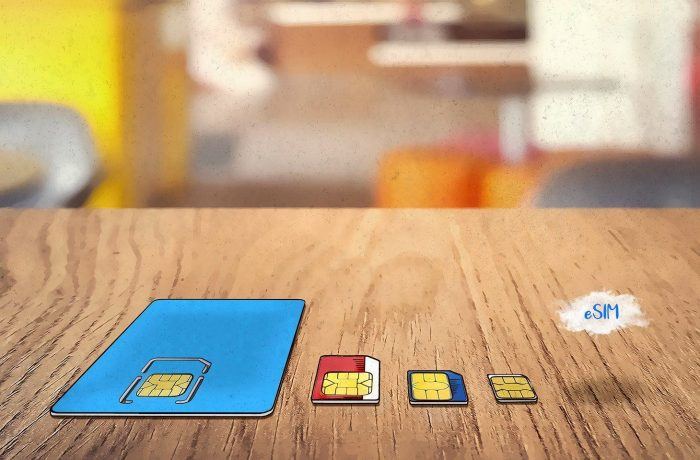
How eSIM works
New iPhones support eSIM technology. We explain what it is and who will soon be using it.
The dangers of public IPs
We discuss what public IPs are, why you might need one, and the risks involved in using them.

 Android
Mobile beasts and where to find them — part four
We explain the types of malware that can take control of your device, and the dangers of multifunctional infection.

 Automotive
The dangers of self-driving cars
The emergence of robocars could mean the end of personal vehicles as we know them. Here’s how things may go down.
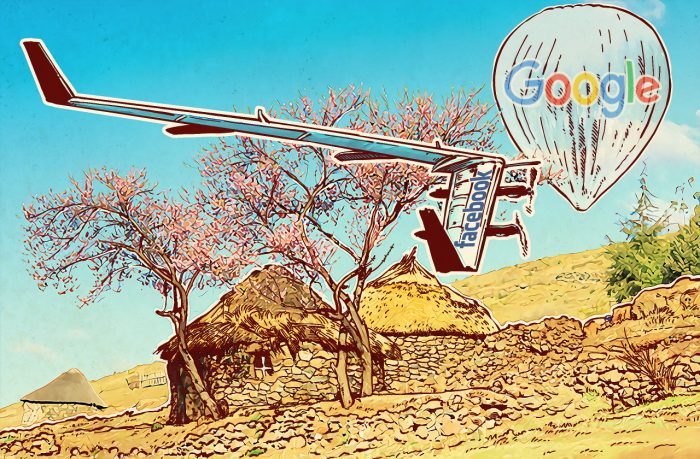
Flying Internet: who needs it and why
Facebook launched Aquila, a solar-powered drone which took its inaugural flight last week. Why does the social network need its own drones and how it is connected to the Google Loon project?

 Carriers
What are virtual SIM cards and what do they do?
Apple SIM, Google Project Fi and, for example, GigSky are all virtual SIM cards. OK, what’s so virtual about them?

eSIM: what is it for?
The next step in SIM cards evolution is not about squeezing them into even more miniscule form factor, it’s about replacing them at all — with a profile stored in connected device.

SIM cards: attack of the clones
SIM cards can be cloned. How is it possible and what does it have to do with cybercriminals?

The evolution of the SIM card
Observing the evolution the good old SIM card went through and the results so far
 3G
How easy is it to hack a cellular network
Cellular networks are not that hard to hack and it is almost impossible to protect them. Telcos are not ready to take responsibility and spend millions of dollars to secure their clients.

7 reasons you shouldn’t post your boarding pass online
Think a photo of your boarding pass is innocent when posted online? Think again.

Banking Trojans: mobile’s major cyberthreat
Today’s smartphones are full-fledged computers much more powerful than the desktops you used 10 years ago. Your device is very likely to contain data the cybercriminals are after, like banking data.

 biometrics
IFA 2015: security all the go
The new trend on IFA 2015 is all about integrity and security. Meet Kaspersky Lab’s observations from the trade show.

Hacking an aircraft: is it already real?
In-flight security made quite a lot of headlines this summer, but this time at unusual angle: the one quite surprising for an average passenger and quite expected for an IT specialist.
LTE-U: on the way to 5G
Ericsson and Qualcomm are promoting their new technology, LTE-U. Is it any better that LTE-A? And what is this combinations of letters supposed to mean, after all?

4 new Google projects: a couple of words about Soli, Jacquard, Vault and Abacus
At the recent Google I/O conference, the ‘corporation of good’ announced four projects: Soli, Jacquard, Vault, and Abacus. Let’s see what these curious techs are about.

 5G
5G: why do we need it?
While LTE networks are seemingly just now starting to take off, networking vendors and carriers are already fully engaged in a vivid discussion on 5G’s perspectives. What are those next-gen networks going to be and why do we need them at all?

Highways in the sky: how aircraft routing works
When you look at airplanes moving on a map, you get the feeling it’s sheer Brownian motion. Of course, that’s not the case: aircrafts keep to air tracks all the time.