 tips
tipsMulti-stage phishing that starts with real links
Kaspersky Lab experts detected a sly scheme that allows fraudsters to steal personal data without your login and password.
927 articles
Kaspersky Lab experts detected a sly scheme that allows fraudsters to steal personal data without your login and password.

Phishing used to be an exotic threat, but that was years ago when malicious worms dominated the arena. Much has changed since then, and today phishing routinely hits hard – especially
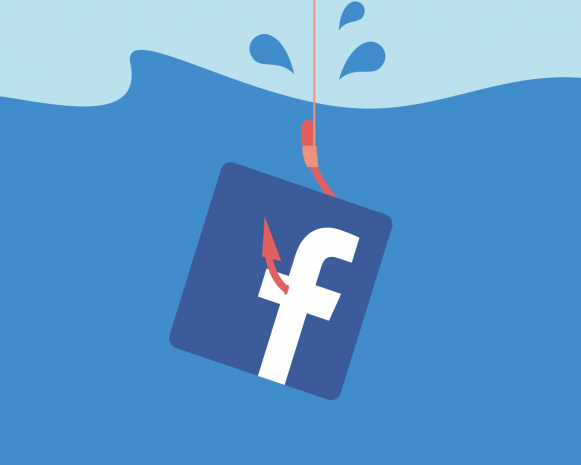
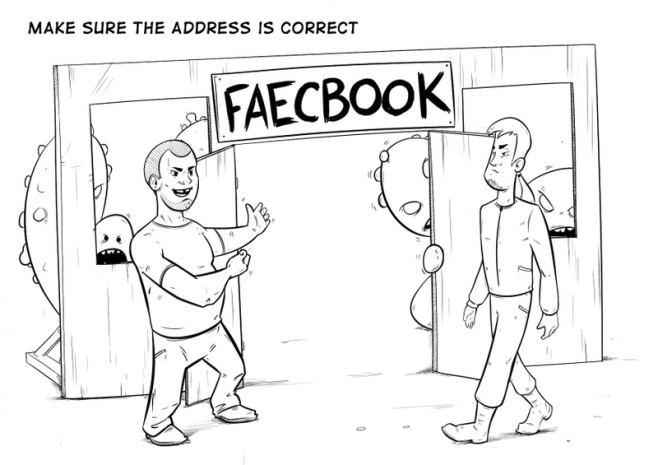
There are several ways to avoid phishing attacks on your Facebook account. The common theme in each is to be highly suspicious of any online request for your personal information
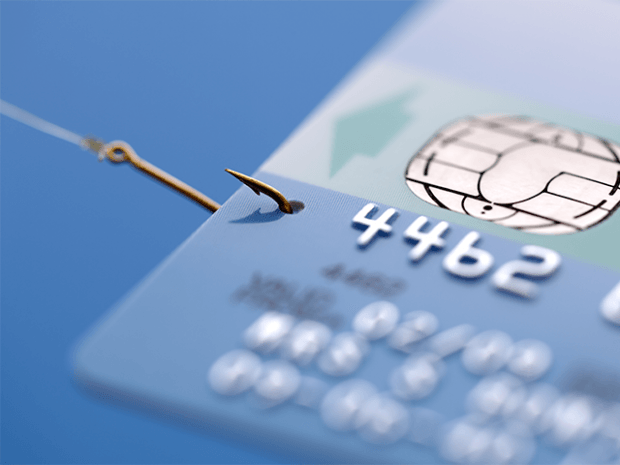
Phishing is the most developed form of Internet scamming. Let’s explore the topic in order to better understand why it became so prominent and what measures one can take to avoid a phishing attack.
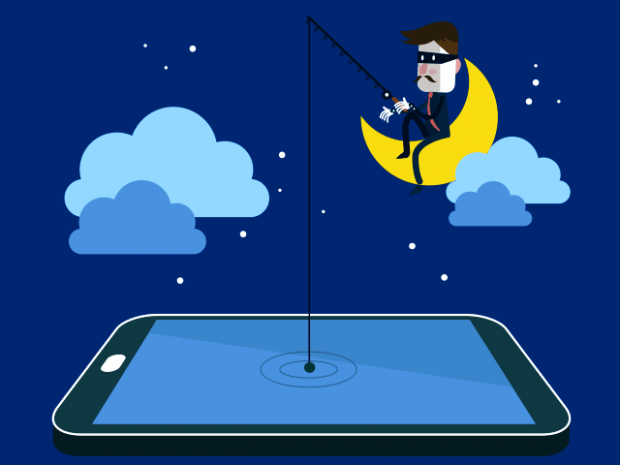
Internet scammers are quite smart and greedy, and know how to disguise their traps, but there are always some ways to find out where these traps are.

According to research by Kaspersky Lab, 22 percent of phishing scams on the web target Facebook.
The next page of The Сyberworld Survival Guide. The entire guide can be found here: http://www.kaspersky.com.au/blog/tag/securityIS
Last week was something of a slow week for those of us that spend our days writing about computer security news. However, while there may not have been an abundance
A few weeks ago Kaspersky Lab experts published a new study on the evolution of phishing over the past two years. Here is a summation of what the study found:

Phishing is a dangerous type of Internet fraud that uses fake websites to swipe user logins and passwords to hijack their online accounts to steal money or spread spam and

If you’ve used the Internet for more than seven minutes, you’ve probably been targeted by several hundred phishing attacks. Phishing, when attackers try to pry bank account numbers, codes and

We explain how to use AI the right way for schoolwork, how to fact-check chatbot responses, and how to protect your personal data.

We break down the file formats that can be unfamiliar to some users, and that aren’t always scanned by security solutions but can still pose cyberthreats.

Sketchy online stores, crypto investments promising fast returns, hidden subscriptions, and browser extensions loaded with harmful software… online scams have moved well beyond classic phishing. Here’s how to spot the websites operating in this gray area, and what kind of harm they can do.

Visit a familiar website, and along with the usual ad banner you could pick up a script that steals cryptocurrency. How can you protect yourself from attacks delivered through online ads?

Attackers are crafting files that devices can read as two different document types at once, and using these “nesting dolls” to smuggle in malware. How to detect and neutralize these two-faced files?

How attackers distribute ScreenConnect under the guise of free software to deploy AsyncRAT.

Did you know that live chat agents on websites can see everything — even messages you never actually sent? This post looks at how this works, and what you can do about it.

We analyze the first-ever real-world incidents where attackers targeted AI agents deployed in corporate environments.
A new variation of ClickFix allows attackers to gain access to Microsoft 365 accounts. We break down how this technique works, and what threat it poses to organizations.
 figures
 #advice
 browser
 corporate security
 malicious links